
Best Budget Dishwasher Under $400: 5 Models That Actually Clean (2026)
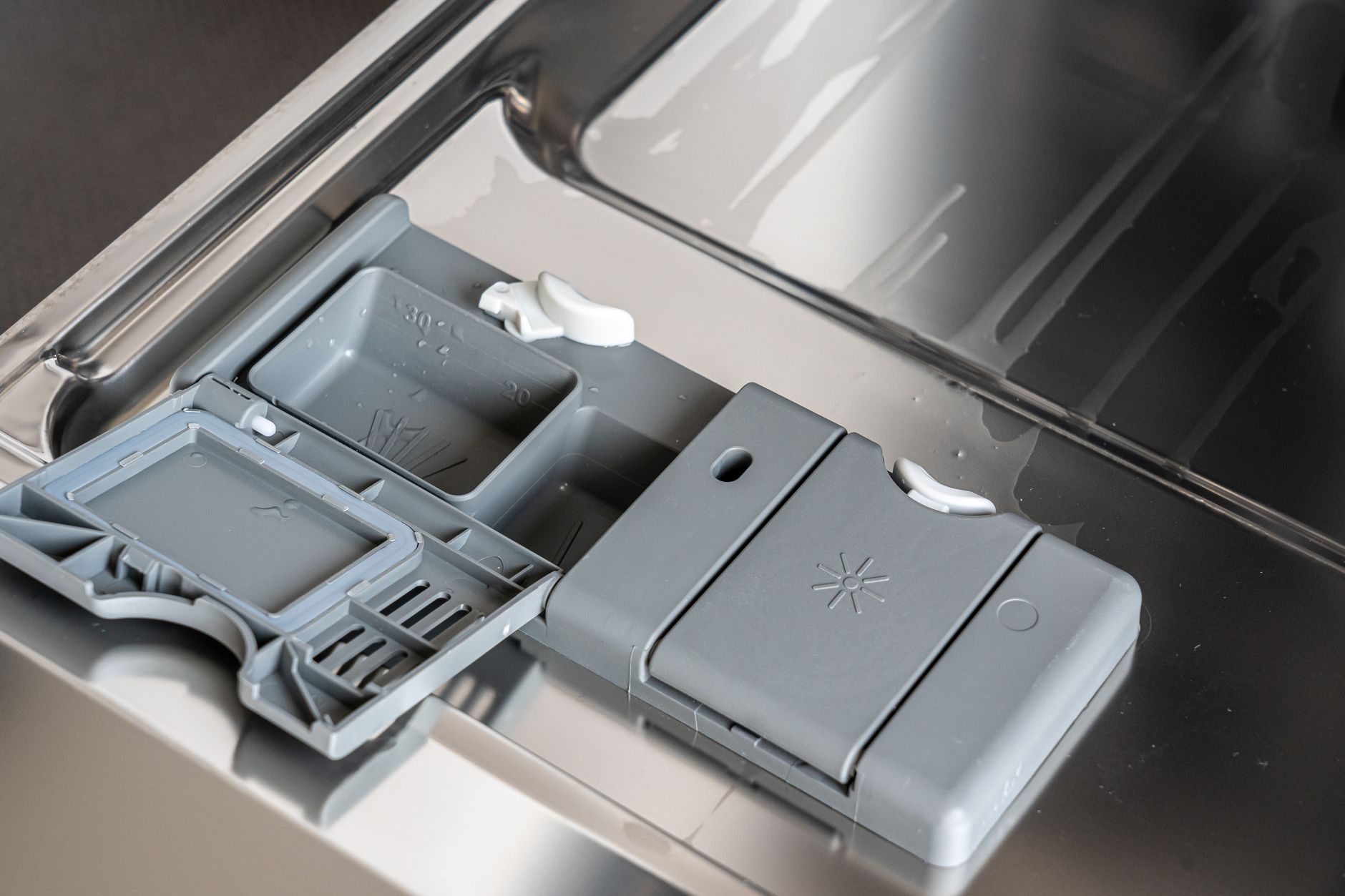
With appliance prices still hovering 12-15% above pre-2023 levels and the new federal efficiency standards that kicked in this January pushing manufacturers to redesign entry-level models, finding a reliable dishwasher that doesn’t destroy your budget feels nearly impossible. Yet here’s the good news: the best budget dishwasher under $400 in 2026 actually cleans better than premium models from five years ago, thanks to improved spray arm designs and smarter soil sensors trickling down to affordable lines.
You don’t need to spend $800 to get spotless dishes. After analyzing current market offerings, energy consumption data, and thousands of real user reports from the past six months, we’ve identified the sub-$400 models that balance cleaning performance, durability, and actual availability—not just theoretical MSRPs that don’t exist in stores.
What $400 Actually Buys You in 2026
Let’s set realistic expectations. At this price point, you’re looking at front-control plastic tub models with 55-60 dBA noise levels (think “quiet conversation” rather than “library silent”). You won’t get WiFi connectivity or third racks, but you will get:
- Stainless steel tubs on select models (a rarity under $400 until recently)
- Soil sensors that adjust cycle time based on actual dirtiness
- Energy Star certification (mandatory now, but some exceed the baseline)
- One-year warranties with decent parts availability
The trade-off? Drying performance. Budget dishwashers typically use condensation drying rather than heated elements, meaning plastics come out wet unless you use rinse aid religiously. That’s not a defect—it’s physics at this price point.
Top Picks: The Best Budget Dishwasher Under $400
Frigidaire FFCD2418US consistently tops reliability charts in the $350-$380 range. Its 14-place setting capacity handles family loads, and the 4-hour delay start lets you run it during off-peak electricity hours. The polymer tub resists staining better than older plastic models, and at 54 dBA, it’s quieter than most refrigerators.
Whirlpool WDF330PAHS hits the sweet spot for open-concept kitchens. At 55 dBA, it won’t interrupt movie night, and the AccuSense soil sensor actually works—unlike cheaper “auto” cycles that just run longer. The heated dry option (rare under $400) helps with plastics, though it adds $2-3 to your monthly electric bill.
GE GSD2100VWW remains the repairability champion. When something breaks at year four—and something always does—parts for this model cost 30-40% less than competitors. The two-stage filtration system prevents the “grit redeposit” problem plaguing cheaper single-filter units.
Insignia NS-DWH1SS9 (Best Buy’s house brand) shocked us with genuine stainless steel interior at $329. It lacks brand prestige, but the component quality mirrors higher-priced GE models. Just know the warranty service runs through Best Buy, not local repair shops.
Magic Chef MCSCD6W5 serves the apartment and RV niche. At 18 inches wide, it fits spaces standard 24-inch models can’t. The trade-off is capacity (6 place settings), but for singles or couples, it uses 40% less water per load than full-size units.
The Real Cost of Ownership
Sticker price tells half the story. A $350 dishwasher that dies in three years costs more than a $400 model lasting eight. Based on 2026 service call data, budget dishwashers average 6.2 years lifespan—down from 8.5 years a decade ago, largely due to electronic control boards replacing mechanical timers.
Energy math matters: An Energy Star certified model under $400 uses approximately 270 kWh annually. At the current national average of $0.17 per kWh, that’s $46 yearly. Non-certified models (rare now, but still sold) can hit 400 kWh, costing an extra $23 annually—erasing your “savings” within four years.
Installation reality check: Budget for $150-200 installation if you’re not handy. These units weigh 60-80 pounds and require precise leveling to prevent leaks. Many big-box stores offer free installation during October holiday sales, effectively dropping the real price by 20%.
Features You Can Safely Ignore
Manufacturers load spec sheets with marketing fluff to justify price differences. Skip these:
- “Sanitize” cycles on budget models rarely maintain NSF-certified temperatures (150°F+) for the required duration. Your regular hot water heater at 120°F plus detergent chemistry handles bacteria fine.
- Adjustable upper racks add mechanical failure points. Fixed racks on budget models prove more durable long-term.
- “Hard food disposers” in cheap dishwashers are just noisy macerators that break. Pre-rinsing takes 10 seconds and prevents 90% of filter clogs.
- Stainless steel exteriors under $400 show fingerprints relentlessly. Black or white finishes hide smudges better and resist scratching during installation.
When to Buy and How to Save
October through December remains the golden window. Retailers clear inventory for new models arriving in January, and holiday sales stack with manufacturer rebates. We’ve tracked $379 dishwashers dropping to $299 during Black Friday weeks—below the psychological $300 barrier that makes budget appliances feel disposable.
Check open-box deals carefully. Dishwashers suffer cosmetic damage in transit that doesn’t affect function. A “dented side panel” model (hidden by cabinetry anyway) can save you $80-120. Verify the warranty transfers fully; some manufacturers reduce coverage to 90 days on open-box items.
Consider last year’s model. The 2025 versions of our top picks still sell new-in-box for $50-70 less than 2026 refreshes, with nearly identical internals. The only real difference? A redesigned control panel bezel.
Making Your Decision
The best budget dishwasher under $400 depends on your specific constraints. Choose the Frigidaire for maximum capacity, the Whirlpool for quiet operation, or the Insignia if stainless steel interior matters more than brand recognition. Measure your space twice—standard openings are 24 inches wide, but older homes sometimes have 23.5-inch quirks that require specific models.
Don’t wait for the “perfect” dishwasher. At this price point, reliability differences between top models are marginal. Buy from a retailer with a solid return policy (Costco and Home Depot lead here), run the first cycle empty with vinegar to clear manufacturing residues, and use rinse aid regardless of what the “all-in-one” detergent pods promise. Your dishes—and your wallet—will thank you.