
Best Budget Robot Vacuum for Pet Hair: The 2026 Guide That Actually Cuts Through the Fur
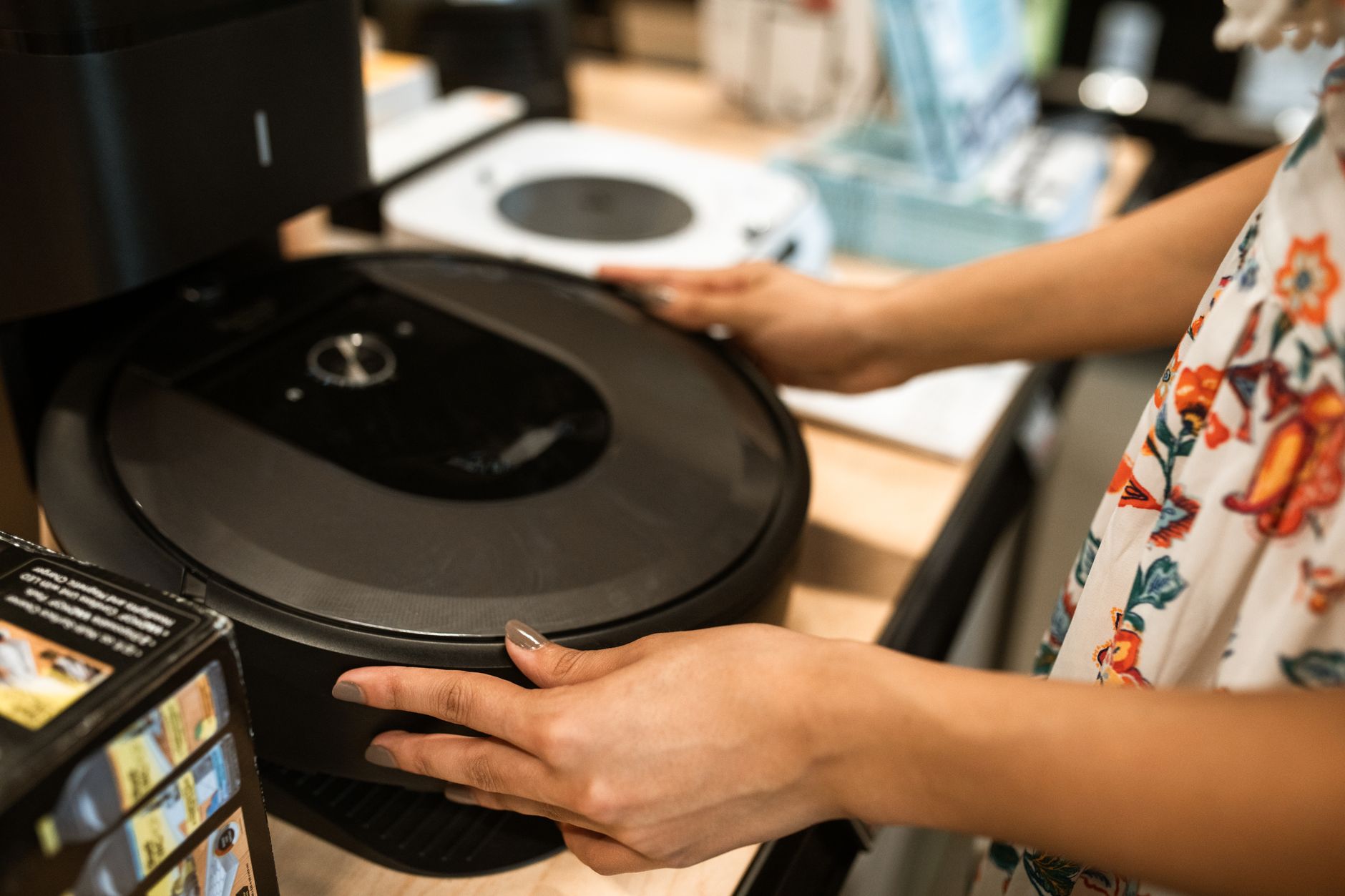
If you’ve spent any time on pet owner forums lately, you’ve probably noticed the same complaint popping up over and over: robot vacuums that promise the world but choke on a single clump of golden retriever fur. It’s September 2026, and with shedding season about to kick into high gear as temperatures drop, the timing couldn’t be worse — or better, depending on whether you’ve got the right machine.
Here’s the good news. The budget robot vacuum market has quietly gotten very good. Brands like Roborock, Eufy, and iRobot’s entry-level lineup have pushed features that used to cost $600 or more down into the $200–$300 range. But not every cheap robot vacuum handles pet hair well, and the difference often comes down to two or three specific design choices that most review roundups gloss over.
This guide is built to help you find the best budget robot vacuum for pet hair without wasting money on features you don’t need or, worse, buying a machine that’ll spend more time tangled than cleaning.
Why Most Budget Robot Vacuums Fail at Pet Hair
Before we get into specific picks, it’s worth understanding why pet hair is such a brutal test for robot vacuums — especially cheaper ones.
Pet hair doesn’t behave like dust or crumbs. It wraps around brush rolls, clogs filters faster, and creates static cling on hard floors that weak suction simply can’t overcome. A robot vacuum rated at 2,000 Pa might sound decent on paper, but if it uses a bristle-only brush roll, you’ll be cutting hair off that roller with scissors every other day.
The three most common failure points in budget models are:
- Bristle brush rolls that tangle within a week of regular pet hair pickup
- Small dustbins (under 400ml) that fill up after a single pass through a shedding dog’s favorite room
- Weak or unsealed filtration that blows fine dander back into the air instead of trapping it
Knowing these pitfalls puts you ahead of most buyers who just sort by price and star rating.
What Actually Matters When Choosing the Best Budget Robot Vacuum for Pet Hair
Forget the marketing buzzwords for a second. When you’re shopping in the $150–$300 range and pet hair is your primary enemy, these are the specs and features that genuinely move the needle.
Suction power — but with context. You want at least 2,500 Pa for homes with carpet and shedding pets. On hard floors, 2,000 Pa can work if the brush design is right. Anything below 1,500 Pa is going to struggle with embedded fur in rugs, period.
Rubber or silicone brush rolls. This is arguably the single most important feature. Dual rubber brush rolls — the kind iRobot popularized with the Roomba j7 and that Roborock has adopted across its Q-series — resist tangling dramatically better than bristle brushes. Some budget models now include a single rubber roller, which is still a big upgrade over bristles.
Dustbin capacity of 450ml or more. Pet hair is voluminous. It doesn’t compress well, and a small bin means the vacuum either stops mid-clean or starts leaving trails. If you have two or more pets, consider this non-negotiable.
HEPA or high-efficiency filtration. If anyone in your household has allergies, this matters enormously. Look for sealed systems, not just a HEPA sticker slapped on the box.
Smart mapping vs. random navigation. In 2026, even budget models increasingly offer LiDAR or camera-based mapping. This matters for pet owners because it means the vacuum systematically covers every room instead of bouncing randomly and missing the corner where your cat sheds the most.
Top Picks for the Best Budget Robot Vacuum for Pet Hair in 2026
These recommendations are based on current models available as of mid-September 2026, with real-world pricing that reflects what you’ll actually pay — not inflated MSRPs.
Roborock Q5 Pro (~$220–$250). This has become the go-to recommendation for pet owners on a budget, and for good reason. It packs 5,500 Pa of suction, a dual rubber brush system, and a 770ml dustbin. The LiDAR navigation is fast and accurate. The main trade-off is no mopping function, but if pet hair is your priority, that’s a feature you can live without.
Eufy RoboVac G30 Edge (~$180–$200). Eufy’s G30 Edge doesn’t have the raw suction of the Roborock (2,000 Pa), but it uses BoostIQ to automatically ramp up power on carpet, and its brush roll is designed to reduce tangles. The slim profile (2.85 inches) gets under furniture where pet hair accumulates. Best for homes with mostly hard floors and one or two moderate shedders.
iRobot Roomba 694 (~$200–$230 on sale). The 694 is an older design, but iRobot’s dual multi-surface rubber brushes remain excellent for pet hair. It lacks smart mapping, so navigation is semi-random, but the cleaning performance on fur is consistently strong. If you catch it on sale — and it goes on sale frequently — it’s a solid buy.
Dreametech D9 Max (~$230–$260). A strong dark-horse pick. It offers 4,000 Pa suction, LiDAR mapping, and a 570ml dustbin. The brush roll is a hybrid bristle-and-rubber design, so it’s not as tangle-resistant as pure rubber rollers, but the suction compensates. Good app controls and room-specific scheduling.
Maintenance Tips That Make Any Budget Robot Vacuum Last Longer with Pets
Even the best budget robot vacuum for pet hair will degrade fast if you don’t maintain it properly. Pet hair is abrasive, and dander clogs filters faster than most people expect.
Here’s a realistic maintenance schedule for pet households:
- Empty the dustbin after every run. Don’t wait for the “bin full” indicator. Pet hair reduces suction as the bin fills, so performance drops well before it’s technically full.
- Clean the brush roll weekly. Even tangle-resistant rubber rollers accumulate hair at the ends where the axle meets the housing. Pop the roller out and clear it. Takes two minutes.
- Replace filters every 2–3 months. With pets, filters clog faster than the manufacturer’s standard recommendation. A clogged filter kills suction and can push allergens back into the air.
- Wipe sensors monthly. Pet dander builds up on cliff sensors and navigation cameras, causing erratic behavior. A quick wipe with a dry microfiber cloth keeps things running smoothly.
- Check side brushes for wrapped hair. These small spinning brushes are hair magnets. Pull them off, remove wrapped fur, and snap them back on.
Budget robot vacuums typically last two to four years with regular use. In a pet household with consistent maintenance, you can realistically hit the upper end of that range.
When to Spend More (and When Not To)
There’s a legitimate question about whether you should stretch your budget to $400 or $500 for features like self-emptying bases or AI obstacle avoidance. Here’s a practical framework.
Worth the upgrade if: You have three or more pets, someone in the house has moderate-to-severe allergies, or you genuinely won’t remember to empty the bin daily. Self-emptying bases like the Roborock Q5 Pro+ add about $100–$150 and hold 30–60 days of debris.
Not worth it if: You have one or two pets, mostly hard floors, and you’re disciplined about basic maintenance. The core pet hair cleaning performance between a $250 and a $500 robot vacuum is often closer than the price gap suggests.
One feature that’s almost never worth paying extra for in a pet hair context is mopping. It’s nice to have, but it does nothing for fur pickup, and the mop pad can actually smear wet pet messes if the vacuum encounters an accident.
Final Thoughts
The best budget robot vacuum for pet hair in 2026 isn’t the one with the most features or the flashiest app. It’s the one with the right combination of suction, tangle-resistant brush design, adequate bin capacity, and decent filtration — all at a price that doesn’t make you wince.
For most pet owners, the Roborock Q5 Pro hits that sweet spot. If your budget is tighter, the Eufy G30 Edge handles hard floors admirably. And if you catch the Roomba 694 on sale, its rubber brush system still punches above its price point.
Shedding season is coming. Your floors don’t have to suffer for it. Pick the right machine, stay on top of basic maintenance, and you’ll wonder how you ever lived without one.