
Cast Iron Skillet vs Carbon Steel: The 2026 Cook's Honest Guide to Choosing Right
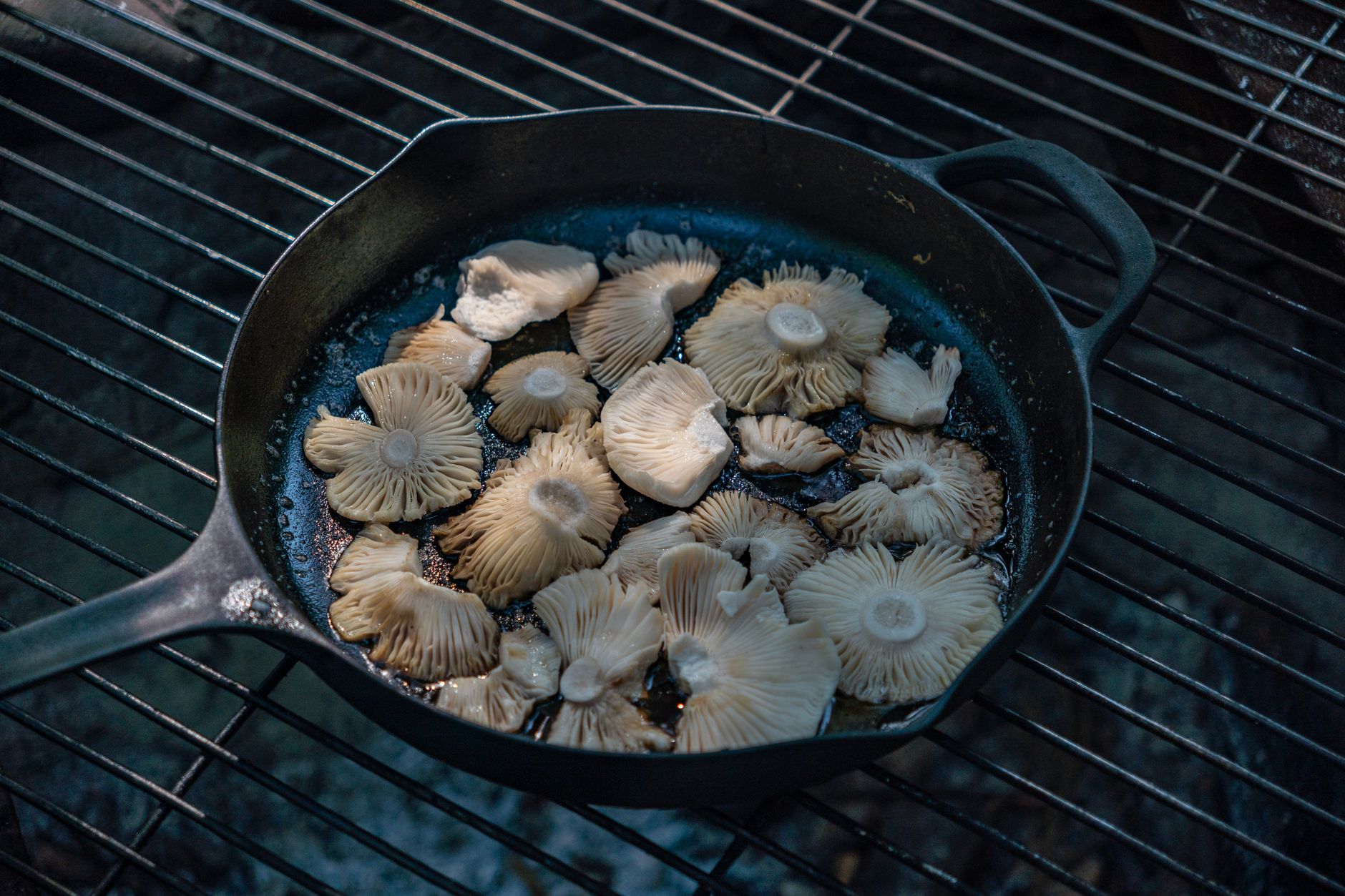
Walk into any restaurant supply store in 2026 and you’ll notice something: the carbon steel section has quietly doubled in size. What used to be a niche pick for line cooks and wok enthusiasts is now sitting front and center next to Lodge displays, riding a wave of TikTok cooking videos and the broader “buy once, buy forever” movement. Meanwhile, cast iron — the longtime heavyweight of American kitchens — isn’t going anywhere. So the cast iron skillet vs carbon steel debate has never been more relevant, especially as shoppers push back against disposable nonstick pans that flake within two years.
Here’s the truth most comparison articles skip: these pans are more alike than different, but the differences that do exist matter enormously depending on how you actually cook. I’ve used both daily for years — a 12-inch Lodge cast iron and a de Buyer Mineral B carbon steel — and the answer isn’t “one is better.” It’s “one is better for you.” Let’s figure out which.
Weight and Handling: The First Thing You’ll Notice
Pick up a 12-inch cast iron skillet and you’re holding roughly 8 pounds of metal. The carbon steel equivalent? Around 5 pounds, sometimes less. That gap sounds minor until you’re flipping a frittata, transferring a pan from stovetop to oven, or washing it one-handed at the sink.
Cast iron’s heft is a feature for some tasks — it stays planted on the burner, presses steaks beautifully, and feels indestructible. But it’s also the number one reason people stop using it. I’ve watched friends buy gorgeous vintage Griswolds only to leave them in a cabinet because hauling them out felt like a chore.
Carbon steel’s thinner construction (typically 2-3mm versus cast iron’s 4-5mm) makes it genuinely maneuverable. If you cook stir-fries, toss vegetables, or do any kind of pan-flipping motion, carbon steel feels like an extension of your wrist. Cast iron feels like a commitment.
Practical tip: If you have any wrist, shoulder, or grip issues — or you’re over 60 and cooking daily — carbon steel will get used more often simply because it’s easier to handle. The best pan is the one you actually reach for.
Heat Performance: Retention vs Responsiveness
This is where the cast iron skillet vs carbon steel comparison gets genuinely interesting, because they excel at opposite things.
Cast iron retains heat like a battery. Once it’s hot, it stays hot. Drop a cold ribeye onto a properly preheated cast iron skillet and the surface temperature barely dips. That’s why it’s the undisputed champion for searing — you get that deep, even crust that thinner pans can’t replicate. The trade-off? It takes 5-7 minutes to preheat properly, and it responds sluggishly when you adjust the burner. Turn the heat down and it keeps cooking at high temp for another minute or two.
Carbon steel is the sprinter. It heats up faster, cools down faster, and gives you real-time control. When you’re making a pan sauce and need to drop from a hard sear to a gentle simmer, carbon steel listens. French chefs have relied on it for generations precisely because of this responsiveness — it’s the pan behind countless omelets, crepes, and delicate fish dishes.
Here’s a quick breakdown:
- Best sear on thick proteins: Cast iron wins
- Best for eggs, crepes, and delicate work: Carbon steel wins
- Best for high-heat stir-frying: Carbon steel wins (lighter, faster)
- Best for cornbread, deep-dish pizza, oven-to-table: Cast iron wins
- Best for camping over open flame: Cast iron (it handles thermal shock better)
Seasoning and Maintenance: Similar Process, Different Forgiveness
Both pans require seasoning — that polymerized oil layer that makes them naturally nonstick. Both need hand washing, immediate drying, and occasional re-oiling. If you’re coming from Teflon, the learning curve is identical.
The difference is forgiveness. Cast iron’s rougher, more porous surface grabs onto seasoning and holds it stubbornly. You can abuse a cast iron pan — cook acidic tomato sauce once, leave it slightly damp, use a metal spatula aggressively — and the seasoning usually survives.
Carbon steel’s smoother surface builds a slicker, more glass-like seasoning that performs better when it’s intact. But it’s also more finicky. Cook something acidic and you’ll see the seasoning strip in visible patches. Scrub too hard with chain mail and you might take the layer down to bare metal. It’s not fragile — it just demands slightly more attention.
My honest take: If you want a pan you can be rough with, cast iron. If you enjoy the ritual of maintenance and want the best possible nonstick surface over time, carbon steel rewards the effort.
Price and Value in 2026: What Your Money Actually Buys
The good news is both options are remarkably affordable compared to clad stainless or copper cookware. Here’s what the current market looks like:
- Entry-level cast iron: Lodge 12-inch skillets run about $25-35. That’s been true for years and represents one of the best values in all of cookware.
- Premium cast iron: Brands like Smithey, Finex, and Butter Pat charge $150-250 for machined, polished surfaces. Beautiful, but the performance gain over Lodge is marginal for most cooks.
- Entry-level carbon steel: de Buyer Mineral B (the industry standard) costs around $40-50 for a 12-inch. Matfer Bourgeat and Vollrath offer solid options under $35.
- Premium carbon steel: Brands like Blanc Creatives and Smithey’s carbon steel line push $100-200, but again, the cooking difference is subtle.
The real cost consideration is longevity. Both pans, properly maintained, will outlast you. There are no coatings to degrade, no handles to loosen, no rivets to fail. In an era where the average nonstick pan lasts 18-24 months before hitting a landfill, either choice is a genuine money-saver over a decade of cooking.
The Verdict: Which Pan Deserves Your Money
After years of cooking on both, here’s how I’d frame the cast iron skillet vs carbon steel decision in 2026:
Choose cast iron if you primarily sear steaks, bake cornbread, make smash burgers, or want a pan that doubles as a serving dish. It’s also the better pick if you’re hard on your equipment or want the absolute cheapest entry point — a $25 Lodge is nearly impossible to beat on value.
Choose carbon steel if you cook eggs regularly, stir-fry, make pan sauces, or want a lighter pan that responds quickly to temperature changes. It’s the professional’s choice for a reason, and if you cook frequently, the weight savings alone justify the slightly higher price.
The honest answer for most home cooks? Get both — eventually. Start with whichever matches your most common cooking style. A 12-inch Lodge cast iron and a 12-inch de Buyer carbon steel together cost under $80 and cover virtually every stovetop task you’ll ever encounter. That’s less than a single mid-range stainless pan, and unlike that stainless pan, neither will ever need replacing.
The worst choice isn’t picking the wrong one. It’s buying another coated nonstick pan that ends up in the trash by 2028.