
Cost Pressure Durable Goods 2026: The Shopper's Guide to Buying When Everything Costs More
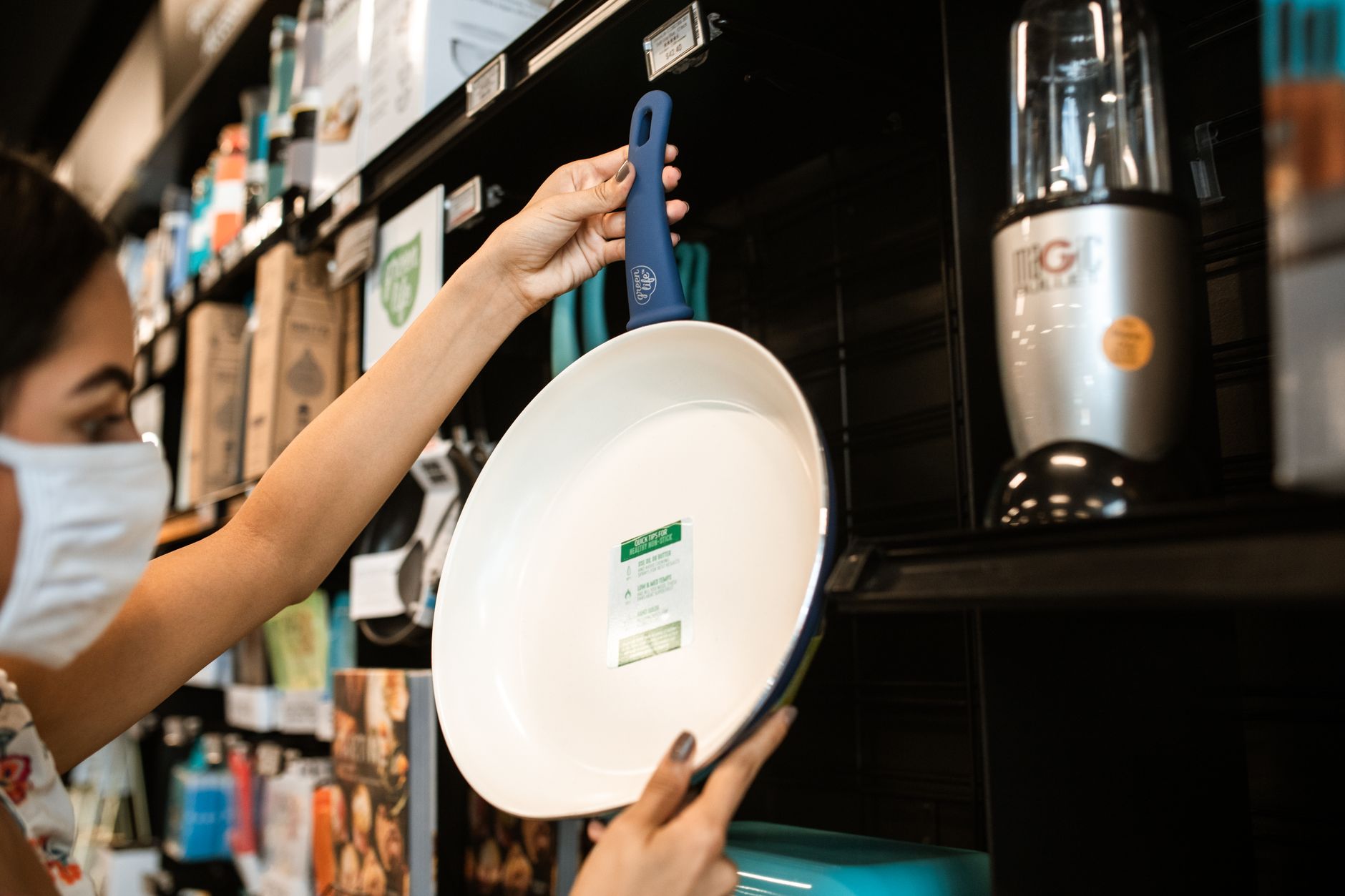
If you’ve walked into a home improvement store lately or tried to price out a new refrigerator online, you’ve felt it: that sticker-shock moment where the number on the screen doesn’t match your mental budget from even two years ago. Welcome to cost pressure durable goods 2026, the economic reality that’s forcing millions of Americans to completely rethink how they buy everything from washing machines to power tools to laptops.
Consumer Reports: Product Reviews and Ratings, Buying Guides and Tips for Smart Consumers continues to be one of the most trusted resources for navigating this landscape, but even their seasoned testers are adjusting their recommendations as manufacturing costs, tariffs, and supply chain complexities reshape the market. The question isn’t just “what’s the best product?” anymore—it’s “what’s the best product I can actually afford to keep for the next decade?”
This guide breaks down exactly what’s driving these price pressures, which categories are getting hit hardest, and how to make purchasing decisions that won’t leave you with buyer’s remorse—or a broken appliance six months out of warranty.
What’s Actually Driving Cost Pressure Durable Goods 2026
Let’s get specific about why your wallet feels lighter. The durable goods sector is experiencing a perfect storm of cost factors that aren’t resolving as quickly as economists once predicted.
Steel and aluminum tariffs imposed in late 2025 continue to ripple through appliance and automotive supply chains. A standard washing machine that cost $649 in 2023 now averages $823 at major retailers, according to recent Bureau of Labor Statistics tracking. Semiconductor availability remains constrained for “good enough” chips—the ones that run your dishwasher’s control panel, not your iPhone—keeping prices elevated for mid-tier smart appliances.
Labor costs at domestic manufacturing plants have risen 12-18% since 2023, and manufacturers are passing through a meaningful portion of these increases rather than absorbing them. The result? Those “entry-level” price points you remember are increasingly occupied by stripped-down models with shorter warranties and plastic internals that used to be metal.
Perhaps most significantly, financing costs have transformed the psychology of durable goods purchasing. With average personal loan rates hovering near 11.5% and store financing promotions far less generous than the 0% APR offers of 2021-2022, the “buy now, pay later” math works against consumers. You’re paying more upfront, or you’re paying substantially more over time.
The Categories Getting Squeezed Hardest
Not all durable goods are experiencing equal cost pressure. Here’s where shoppers are feeling the pinch most acutely in 2026:
Major kitchen appliances remain the poster child for this trend. Refrigerators with basic features (no smart connectivity, standard stainless finish) have seen 22-28% price increases since 2022. The sub-$800 refrigerator category has effectively disappeared from mainstream brands, pushing budget-conscious buyers toward lesser-known names with spotty service networks.
Power tools and outdoor equipment face a unique squeeze: professional-grade brands (DeWalt, Milwaukee, Makita) have raised prices aggressively while creating more “prosumer” lines that borrow the brand cachet without the build quality. The $199 cordless drill that could handle weekend projects for a decade? It’s now $279, or it’s $199 with a plastic chuck and a 2-year instead of 5-year warranty.
Consumer electronics with long replacement cycles—think TVs, desktop computers, audio equipment—are seeing feature inflation masquerade as innovation. You’re paying 2023 prices for 2026 models, but the “upgrade” is often AI features you’ll never use or brightness specs that matter only to spec-sheet comparison shoppers.
The surprise category: mattresses and furniture. Durable goods classification includes these, and they’ve been hit by foam chemical regulations, shipping cost volatility, and the collapse of several direct-to-consumer brands that once provided price pressure on incumbents.
How to Shop Smart Under Cost Pressure Durable Goods 2026
This isn’t the time for impulse purchases or defaulting to familiar brands. The shoppers winning in this environment are getting tactical.
Extend your research timeline. The 72-hour rule for new product launches (wait three days for real reviews to emerge) has evolved into a broader patience discipline. For purchases over $500, commit to a 30-day research window tracking prices across multiple retailers. Tools like CamelCamelCamel and Keepa remain essential, but also monitor manufacturer-direct pricing—brands like GE Appliances and Whirlpool have increasingly aggressive direct-sale promotions that undercut big-box retailers.
Prioritize total cost of ownership over purchase price. A $1,200 washing machine with a 10-year motor warranty and 3.5 cubic feet of capacity beats a $950 unit with a 1-year warranty and 2.5 cubic feet when you calculate cost per load over a decade. Energy efficiency matters more than ever with utility rates climbing; the yellow EnergyGuide labels deserve serious attention.
Consider the “last repair” threshold. For existing appliances, the repair-or-replace calculation has shifted. With new units so expensive, spending $300-400 to extend a reliable appliance’s life by 3-4 years often makes financial sense. Find a trusted local repair technician before you need one—demand for their services is rising.
Explore alternative acquisition channels. Open-box units at appliance outlets, manufacturer refurbished programs with full warranties, and even rental-to-own arrangements for tools you’ll use intensively for a single project can all make sense. The stigma around “not new” is fading as cost pressures force pragmatic choices.
When to Buy, When to Wait, and When to Downgrade
Timing matters in cost pressure durable goods 2026, but not in the traditional “wait for Black Friday” sense. The old seasonal discount calendar is less reliable as manufacturers manage inventory more tightly.
Buy immediately if: Your current appliance is failing and you have no backup (a broken refrigerator in July isn’t a negotiable situation). Replacement parts for models over 8 years old are increasingly scarce, so don’t assume repair is possible.
Wait if possible when: You’re 3-6 months from a genuine need, and you can monitor prices. New tariff negotiations are scheduled for late 2026, and any resolution could trigger modest price relief in Q4. The savings won’t be dramatic—maybe 5-8%—but on a $2,000 appliance purchase, that’s real money.
Strategically downgrade when: The premium features don’t match your actual usage. A $400 dishwasher cleans dishes as effectively as an $800 unit; the extra money buys quieter operation and stainless interiors. If you run it during the day and don’t mind some noise, that’s $400 that could go toward your next unavoidable purchase.
The “good enough” product category is expanding for a reason. Manufacturers know consumers are price-sensitive, and they’re creating more stripped-down lines that hit psychological price points. The trick is identifying which corners are cut safely versus which compromise long-term reliability.
Building Your Personal Durable Goods Strategy
Cost pressure durable goods 2026 isn’t a temporary condition to wait out—it’s the baseline for planning. The most resilient households are treating major purchases as portfolio decisions rather than isolated transactions.
Start with a replacement timeline audit. List every major durable good you own, its age, and its expected remaining lifespan. This prevents the emergency purchase scenario where you’re forced to accept whatever’s in stock at the highest price point.
Build a durable goods reserve fund separate from general savings. Even $75 monthly adds up to meaningful flexibility when a $900 water heater fails unexpectedly. This sounds basic, but most Americans finance these purchases precisely because they haven’t segregated this mental account.
Finally, cultivate your information sources deliberately. The review ecosystem is noisier than ever, with AI-generated content and affiliate-driven recommendations polluting search results. Cross-reference professional testing (Consumer Reports: Product Reviews and Ratings, Buying Guides and Tips for Smart Consumers remains valuable here) with long-term user forums where people discuss reliability at the 5-7 year mark—not just unboxing impressions.
The shoppers thriving in 2026 aren’t necessarily the ones with the biggest budgets. They’re the ones who’ve adapted their decision-making to acknowledge that durable goods now represent larger financial commitments, longer ownership periods, and higher stakes for getting it wrong. The pressure isn’t going away. Your strategy for navigating it can.