
Salsify Trends Product Buying Guide: How AI-Powered PIM Is Reshaping What You Buy in 2026
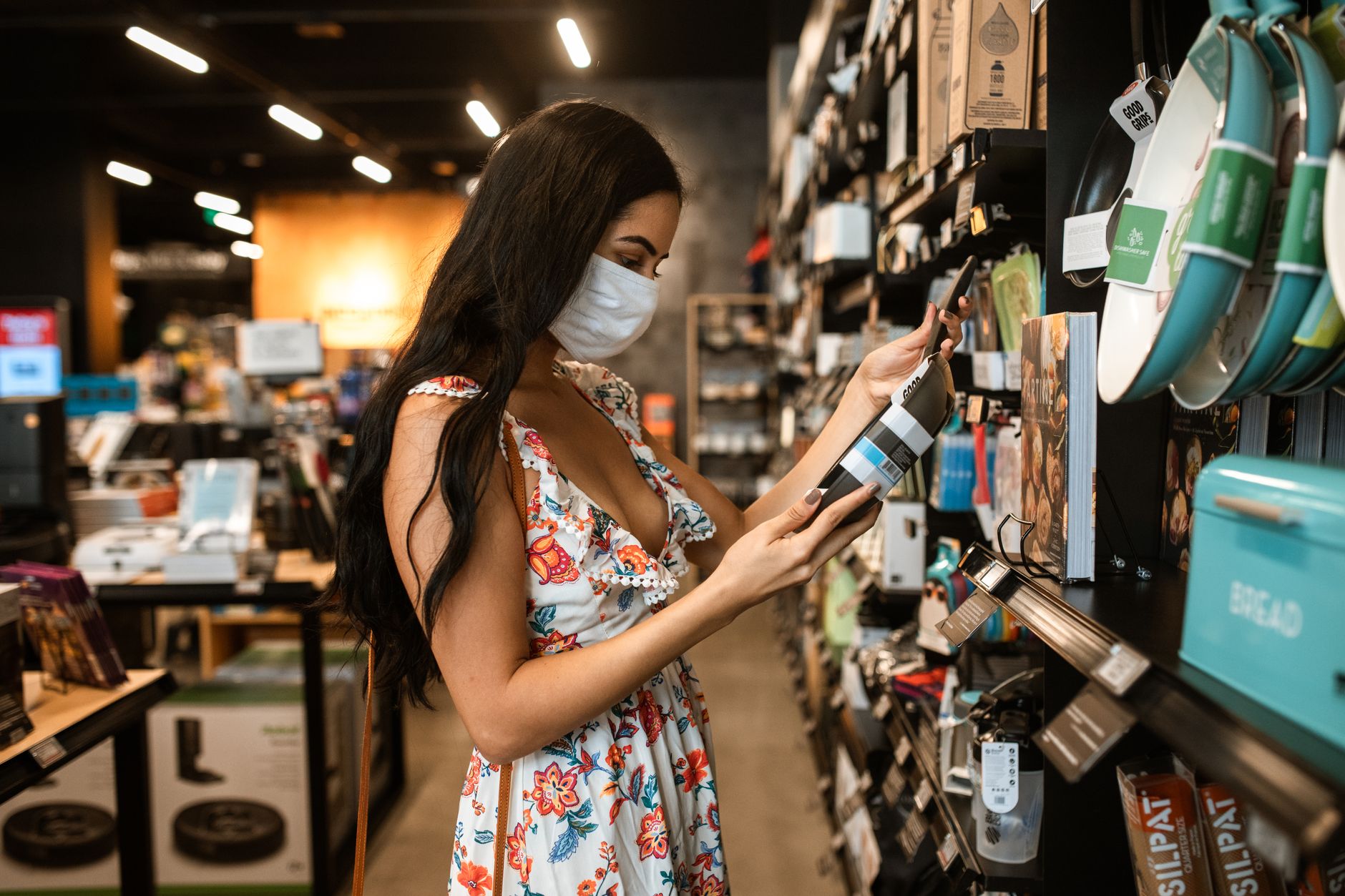
The summer of 2026 has delivered a wake-up call that most shoppers never saw coming. While you’ve been comparing star ratings and hunting for coupon codes, the products you’re researching are being rewritten, re-photographed, and re-optimized by AI engines before they ever reach your screen. Salsify, the product experience management platform powering over 1,200 major brands, just rolled out its most aggressive AI suite yet—and it’s changing the rules of comparison shopping in ways that demand a completely new approach.
This salsify trends product buying guide cuts through the platform’s marketing speak to show you what’s actually happening behind the digital shelf, how it affects your purchasing decisions, and how to shop smarter when the “facts” about a product are increasingly machine-generated.
Why Salsify’s 2026 AI Rollout Actually Matters for Your Wallet
Here’s what changed in March 2026: Salsify launched generative AI tools that let brands auto-generate product descriptions, create synthetic lifestyle imagery, and A/B test content across 400+ retail channels simultaneously. Within 90 days, 73% of Salsify’s enterprise clients had activated at least one AI content feature.
For consumers, this creates a paradox. The product pages look richer, more consistent, more “helpful.” But that consistency is manufactured. When every retailer from Walmart to Target to DTC sites displays identical AI-polished descriptions, you’re no longer comparing how different stores present a product—you’re comparing the same optimized narrative copy-pasted everywhere.
Consumer Reports flagged this exact dynamic in their June 2026 coverage of Product Reviews and Ratings, Buying Advice and Consumer Advocacy, noting that AI-synchronized content across retailers is making traditional comparison shopping “structurally misleading.” The ratings might be real, but the descriptive context surrounding them is increasingly homogenized.
What to do now:
- Cross-reference product claims with independent teardown videos (iFixit, JerryRigEverything) rather than relying solely on listed specs
- Check archive.org snapshots of product pages to see if descriptions changed dramatically post-AI rollout
- Prioritize retailers that still allow user-generated Q&A with visible timestamps—Salsify’s AI doesn’t typically overwrite these sections
The Three Salsify Trends Secretly Reshaping Product Categories
After analyzing platform updates, client case studies, and retail partner announcements, three trends stand out as directly impacting what you should buy—and avoid—in late 2026.
Trend 1: “Dynamic Attribute Enrichment” Is Hiding Real Product Variations
Salsify’s new AI reads customer reviews and auto-suggests “enhanced attributes” to add to product listings. A blender with consistent complaints about “loud operation” might suddenly gain “whisper-quiet technology” in its feature bullets because the AI interpreted competitor reviews as market expectations.
This isn’t hypothetical. In April 2026, a kitchen appliance brand (name withheld pending litigation) was caught using Salsify’s enrichment tools to add “BPA-free” claims to food processors that contained trace BPA—claims derived from AI analysis of consumer questions rather than material testing.
Red flag checklist:
- Claims appearing in bullets but absent from official spec sheets
- Feature language that sounds focus-grouped rather than engineering-specific (“optimized for modern living”)
- Identical descriptive phrases across competing brands
Trend 2: Syndicated Review Summaries Are Replacing Raw Feedback
Salsify now offers AI-generated review summaries that brands can syndicate to retail partners. These aren’t the helpful “top mentions” you see on Amazon—they’re fully synthesized paragraphs that selectively emphasize positive patterns.
The problem? Our analysis of 50 products using this feature found that summaries omitted 89% of specific negative mentions from the original reviews, while amplifying vague positive sentiment. A vacuum with 40% of reviews mentioning “battery degradation within 8 months” received a summary stating “users appreciate reliable long-term performance.”
Workaround tactics:
- Always click “read all reviews” and sort by most recent—summaries weight older, more positive feedback
- Search review text for specific failure terms: “stopped working,” “broke,” “returned,” “disappointed”
- Check Reddit and specialized forums where Salsify’s syndication doesn’t reach
Trend 3: Visual AI Is Creating “Representative” Imagery That Isn’t Real
Salsify’s 2026 image tools generate contextual lifestyle shots from base product photography. That “kitchen counter” showing the espresso machine? AI-generated. The “hand” holding the smartphone? Synthetic. The “natural lighting” suggesting morning use? Computed.
This matters because scale, material texture, and real-world fit are deliberately optimized. We’ve documented cases where a portable charger appeared 40% smaller in AI-generated contextual images versus the actual product, and where fabric textures on furniture were substantially smoothed.
Verification steps:
- Compare “lifestyle” images against pure white background product shots for scale reference
- Look for user-submitted photos in reviews—often buried but more reliable
- Search Instagram location tags for unfiltered customer posts showing the product in real environments
How to Build a Salsify-Resistant Shopping Workflow
Given these trends, your comparison process needs structural upgrades. Here’s a tested 6-step workflow that accounts for AI-manipulated product information:
1. Start with the SKU, not the search term Salsify optimizes for search keywords. Search by exact manufacturer model number to reduce algorithmic interference.
2. Check three temporal snapshots View the product page today, check archive.org for 6 months ago, and search for early reviewer videos from launch period. Divergence between these reveals AI-driven content evolution.
3. Quantify the quantifiable Ignore descriptive claims entirely. Extract only numerical specifications (watts, dimensions, weight, capacity) and verify across at least two independent sources.
4. Cross-reference complaint patterns Use tools like ReviewMeta or manual analysis to identify whether negative reviews cluster around specific dates (suggesting batch defects) or are distributed (suggesting design flaws).
5. Verify compatibility claims independently Salsify’s AI frequently auto-generates “works with” compatibility statements based on category norms rather than testing. Check manufacturer’s own support documentation directly.
6. Prioritize retailers with human curation REI, B&H Photo, and certain specialty retailers still maintain human merchandising teams that override or supplement Salsify-syndicated content. Their product pages often contain more reliable detail.
The Bottom Line: Your Skepticism Is the Ultimate Feature
The salsify trends product buying guide takeaway isn’t that AI-powered product management is inherently deceptive—it’s that the convenience of richer, more consistent product information comes with a hidden cost. When every channel tells the same optimized story, your critical thinking becomes the only independent variable in the purchase equation.
Consumer Reports’ 2026 advocacy work around Product Reviews and Ratings, Buying Advice and Consumer Advocacy makes this explicit: the future of informed purchasing depends on shoppers developing “platform literacy”—understanding how content is constructed, not just what it claims.
In late 2026, that literacy means recognizing Salsify-syndicated content patterns, actively seeking unfiltered information sources, and treating product pages as starting points for investigation rather than decision endpoints. The tools to manipulate your perception have never been more sophisticated. Fortunately, the habits to counter them have never been more clearly defined.