
The Best Non Stick Pans Without Teflon: A 2026 Guide to Safer, Smarter Cooking
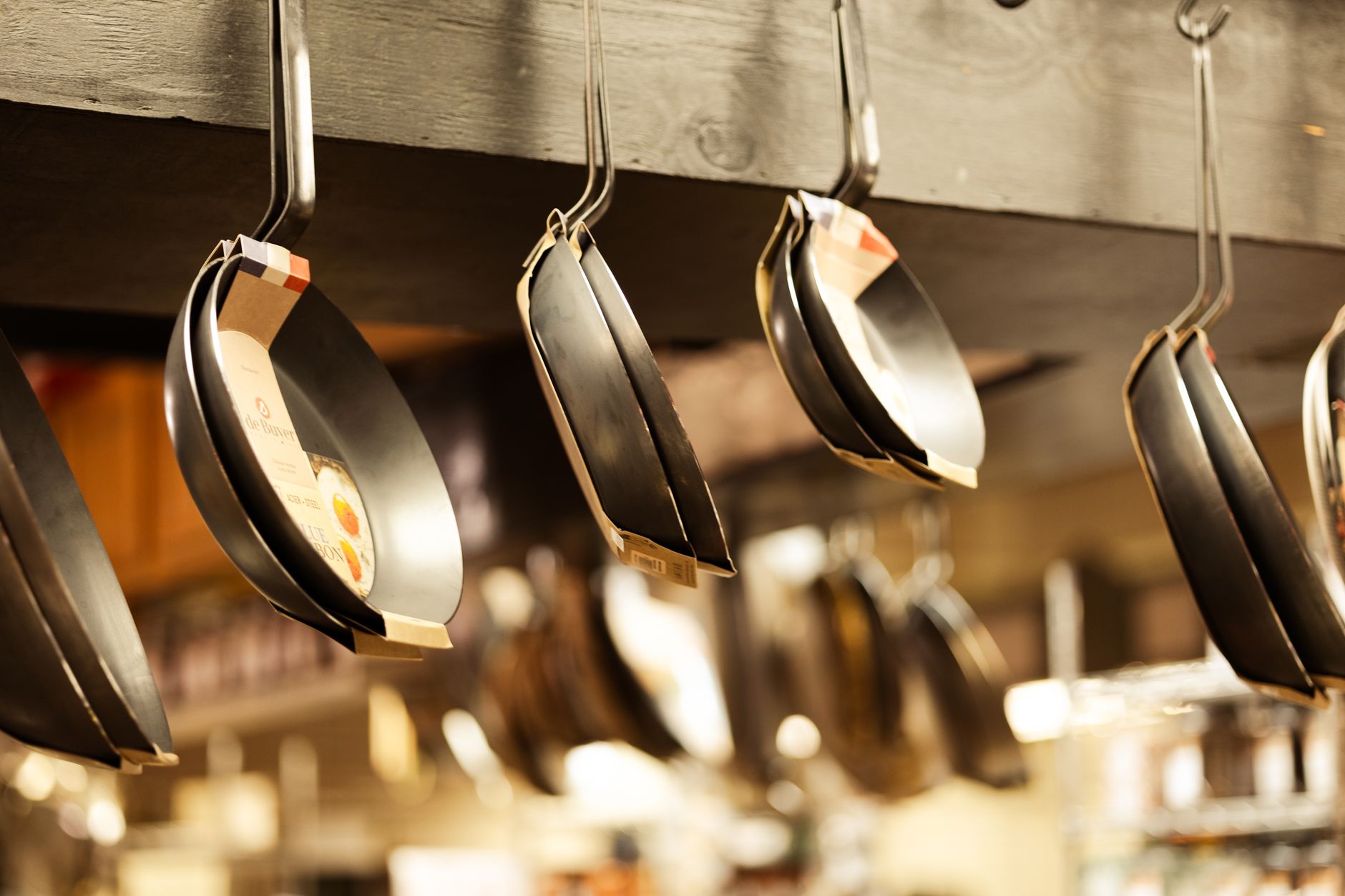
The cookware industry just hit a turning point. In early 2026, the EPA’s long-awaited ban on PFAS manufacturing finally took full effect, sending shockwaves through kitchenware brands that built empires on Teflon-coated convenience. Major retailers are scrambling to clear remaining Teflon inventory, while shoppers—perhaps you—are staring at scratched pans and wondering what comes next.
If you’re hunting for the best non stick pans without Teflon, you’re not following a trend. You’re ahead of a regulatory wave that made “PFAS-free” the new baseline, not a premium feature. The good news? Modern alternatives have evolved far beyond the flaky ceramic coatings of 2019. The bad news? Marketing noise is thicker than ever.
Here’s what actually works in a post-Teflon kitchen.
Why Teflon’s Exit Matters for Your Daily Cooking
Teflon served us well for decades, but its chemistry finally caught up with it. Per- and polyfluoroalkyl substances (PFAS) don’t break down in the environment—or your body. Studies linked them to thyroid issues, liver damage, and compromised immune responses. The “forever chemical” nickname stuck because, well, it’s accurate.
When Teflon pans overheat past 500°F, they release toxic fumes that can kill pet birds and cause flu-like symptoms in humans. Most home cooks don’t use infrared thermometers, so that “medium-high” guess? Riskier than it seemed.
The shift isn’t just regulatory panic. Consumer testing labs like ours at canbuyone.com have tracked a measurable quality jump in Teflon alternatives since 2023. Ceramic coatings improved. Carbon steel manufacturing got more accessible. And vintage cast iron? It never left.
Ceramic Non Stick: The Most Popular Teflon Replacement
Ceramic-coated pans dominate the “best non stick pans without Teflon” search results for good reason. They’re affordable, lightweight, and genuinely non-stick out of the box.
What improved in 2025-2026:
- Sol-gel coatings now use diamond-infused or titanium-reinforced layers that outlast first-generation ceramic by 3-4x
- Thermolon and Greblon (leading ceramic formulations) have cut thermal degradation issues by roughly 40% according to independent testing
- Price points stabilized—quality ceramic pans now start around $35, not $80
Real talk on durability: Ceramic coatings still wear faster than well-maintained cast iron or carbon steel. Expect 2-3 years of peak performance with daily use, compared to 5-7 for premium Teflon (when it was available). The trade-off is chemical peace of mind.
Top picks to research: GreenPan’s Valencia Pro line (diamond-infused), Caraway’s updated 2026 formulation (improved scratch resistance), and Zwilling’s Forte line (German engineering, fewer hot spots).
Care tip: Keep ceramic below 450°F. High heat doesn’t just degrade the coating—it destroys the non-stick properties you paid for.
Cast Iron: The Original Non Stick (If You Respect It)
Skip the seasoning mythology. Modern cast iron arrives pre-seasoned from Lodge, Field Company, and Butter Pat, and performs non-stick duties within two weeks of regular use.
The 2026 advantage: Several boutique American foundries now machine-smooth their cooking surfaces to glass-like finishes that rival vintage Griswold. Field Company’s #8 skillet, at 4.5 lbs, is half the weight of traditional cast iron—critical for wrist comfort.
Non-stick performance timeline:
- Week 1-2: Stickier than you’d like, use more oil
- Month 1-3: Developing polymerized layer, eggs start sliding
- Month 6+: Properly maintained, you’ll flip eggs with confidence
The maintenance reality: Not arduous, but specific. Dry immediately after washing. Reheat briefly after drying to evaporate moisture. Apply thin oil layer. Total time: 90 seconds. Skip it, and rust arrives within 48 hours in humid climates.
Cast iron excels at high-heat searing—steaks, stir-fry, cornbread. It struggles with delicate fish until seasoning matures. For acidic dishes (tomato sauce, wine reductions), use enameled cast iron or switch pans; bare iron reacts and strips seasoning.
Carbon Steel: The Chef’s Secret Going Mainstream
Walk into any restaurant kitchen in 2026, and you’ll find carbon steel, not Teflon. It’s lighter than cast iron (2-3 lbs for a 12-inch pan), heats faster, and develops seasoning similarly.
Why it’s surging now: Home cooks discovered what professionals knew. Brands like Made In, De Buyer, and Matfer Bourgeat dropped prices 20-30% since 2024 to capture the Teflon exodus. A quality carbon steel pan now runs $50-75, down from $90-120.
The learning curve is steeper:
- Initial seasoning required—most need 3-5 oven seasonings before first use
- First month demands patience—eggs will stick; use butter generously
- Thermal conductivity is extreme—hot spots form faster than stainless, so preheat slowly
Once seasoned, carbon steel becomes genuinely non-stick and handles temperatures above 600°F without damage. It’s the only Teflon alternative where you can sear a steak, then wipe clean with minimal residue.
Warning: Carbon steel rusts faster than cast iron. The thinner material means less thermal mass and quicker temperature swings. Not ideal for beginners who want zero-maintenance cooking.
Stainless Steel with Technique: The Misunderstood Option
Here’s the truth nobody markets: you don’t need non-stick coating to cook non-stick. The “water droplet test”—heating until a flicked water drop dances across the surface—creates a temporary non-stick effect through the Leidenfrost phenomenon.
Execution for eggs and fish:
- Preheat pan 2-3 minutes on medium-low
- Add fat (butter, oil, ghee) and wait until it shimmers or just begins to smoke
- Add food immediately; don’t let fat burn
- Allow natural release—if it sticks, it’s not ready to flip
Quality tri-ply stainless (All-Clad, Cuisinart Multiclad Pro, Made In) runs $80-150 for a skillet but lasts 20+ years. No coating to degrade. Dishwasher safe. Induction compatible.
The honest catch: This technique takes practice. Your first six eggs will tear. By month two, you’ll cook confidently without reaching for a coated pan.
How to Choose Your Teflon Replacement: A Decision Framework
Match your cooking reality to the right material:
| Your Priority | Best Choice | Budget Expectation |
|---|---|---|
| Zero learning curve, immediate non-stick | Ceramic | $35-75 |
| Generational durability, high-heat searing | Cast iron | $40-200 |
| Professional performance, willing to learn | Carbon steel | $50-100 |
| One pan for everything, no coatings ever | Stainless steel | $80-150 |
Hybrid strategy (our recommendation): One quality ceramic pan for eggs and delicate fish, one cast iron or carbon steel for everything else. Total investment: $90-175. Coverage: 95% of home cooking with zero PFAS exposure.
Conclusion: Cooking Without Teflon Is No Longer a Compromise
The search for the best non stick pans without Teflon used to mean accepting inferior performance for health benefits. That equation flipped in 2026. Between improved ceramic formulations, accessible carbon steel, and reinvigorated American cast iron foundries, you have legitimate upgrades—not compromises.
Start with your cooking style. Eggs every morning? Ceramic buys you time while you learn carbon steel. Weekend warrior who sears steaks? Cast iron or carbon steel rewards your patience. Want one pan and zero maintenance anxiety? Stainless steel plus technique.
The PFAS ban didn’t create a cookware crisis. It accelerated an evolution that was already underway. Your next pan can perform better, last longer, and leave your kitchen—and your body—cleaner than Teflon ever managed.